
England Hockey Publishes Rule Guidance for 2026/27 Season
England Hockey has released its updated rule guidance for the 2026/27 season, with several important changes that will affect everyone involved in the game which will come into effect from 1 September 2026.
The changes follow the latest revisions to the FIH Rules of Hockey and apply to both adult and junior competitions.
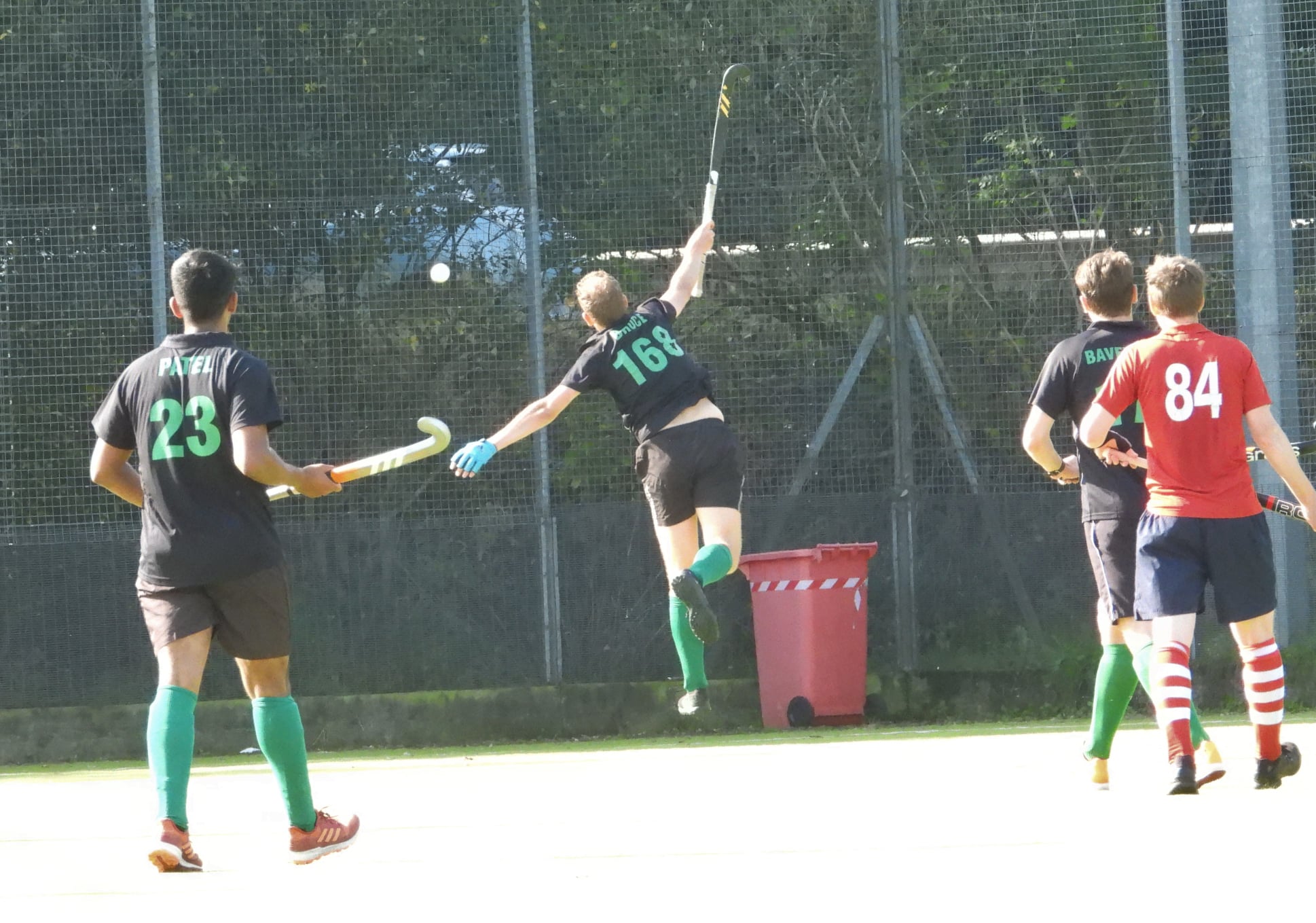
Key updates include clearer sanctions for having too many players on the pitch, the permanent adoption of the aerial ball rule trial across all competitions, revised guidance on the disposal of penalty corner protective equipment, and clarifications for both goalkeepers and umpires.
The maximum permitted size of a goalkeeper's left-hand protector has also been increased to 365mm, allowing manufacturers to produce larger CE-compliant gloves that remain legal under FIH regulations.
Leagues, clubs and organisers may choose to adopt the new rules earlier during pre-season or summer competitions, which can help everyone get familiar with the changes ahead of the new campaign.
Everyone is reminded to check the specific regulations of their competition, particularly around match timings, where competition-specific rules continue to apply.
England Hockey will be running a series of webinars and roadshows in the run-up to the new season to walk everyone through the changes and answer any questions. These will be bookable via Hockey Hub, with more details to follow soon.
Rules of Hockey
Hockey (also known as field hockey) is a fast-paced, skilful team sport that can be played both outdoors and indoors. The outdoor game is the most widely played format, with two teams of 11 players competing on a pitch similar in size to a football field. Using a stick with a curved head, players work together to move the ball, create scoring opportunities and ultimately score goals by striking the ball into the opposing team's goal.
While hockey shares many similarities with football in terms of teamwork, tactics and the objective of scoring more goals than the opposition, there are some key differences. Outfield players may only play the ball using their stick and are not permitted to intentionally use their feet or any other part of their body. Goalkeepers, however, are allowed to use their feet, hands and body, together with their stick, to stop shots and defend the goal.
The game is governed internationally by the International Hockey Federation (FIH), which publishes the official Rules of Hockey. Separate rulebooks are produced for Outdoor Hockey and Indoor Hockey, ensuring that each version of the game is played consistently across the world. These rules are reviewed regularly and are typically updated every two years to reflect developments in the sport.
Whether you are a player, coach, umpire, volunteer or simply new to hockey, understanding the rules is an important part of enjoying the game. You can access the latest editions of both the Outdoor and Indoor Rules of Hockey using the links provided on the right-hand side of this page.
Clubs, players and umpires should always refer to the current FIH Rules alongside the relevant South Central League Regulations for competition-specific requirements.